
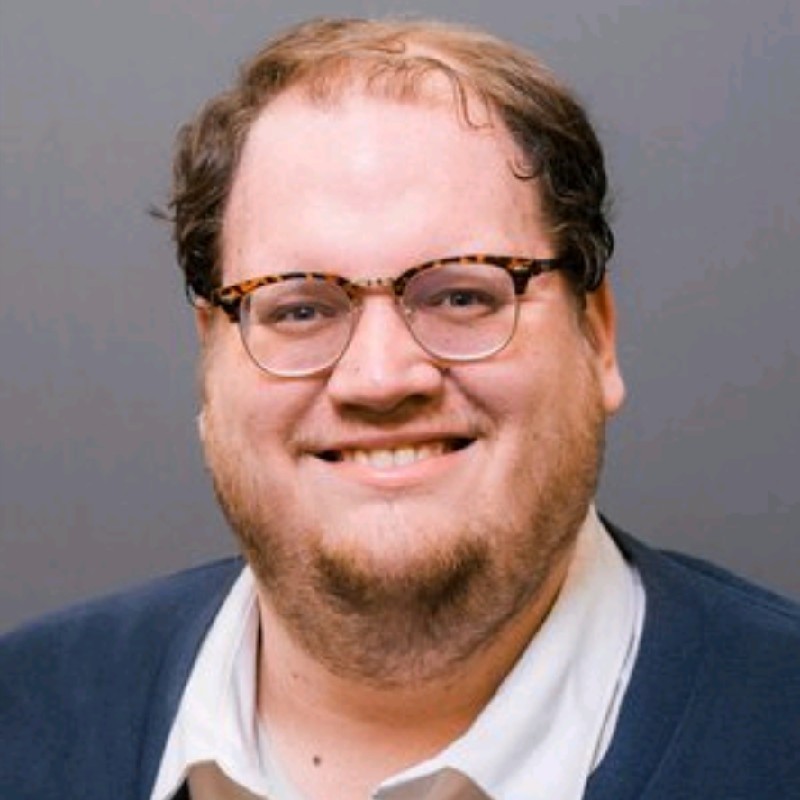
Nathaniel is a trained MBC researcher and steadfast advocate for MBC patients, caregivers, and families, and he comes to METAvivor with a servant heart and an ambitious vision. Nathaniel’s connection to breast cancer began in late 2013, when his beloved mother, Lisa, was diagnosed with stage 2 disease. Following a mastectomy, she continued for 5 years on anti-estrogen therapy and was told, using the best clinical tools available at the time, that her risk of metastatic recurrence was low. Fast forward to 2022, when, after nine years of “cancer-free” living, she was diagnosed with recurrent MBC. Over the next three years, she never lost sight of her goal to continuing living a life filled with faith, family, community, and music. However, despite this determination, Nathaniel watched as MBC transformed his mom from an unstoppable force into a person overrun by the progression of her disease and the pain that accompanied it. Ultimately, Lisa succumbed to MBC in September 2025. She was never beaten, but MBC took her body and left a void in the lives of those who loved her.
The events surrounding his mom’s initial diagnosis occurred on the cusp of Nathaniel commencing his graduate studies as part of the Medical Scientist Training Program at Case Western Reserve University. Driven by love for his mom and recognition of how much remains to be learned about breast cancer, Nathaniel committed himself to studying the phenomenon of MBC dormancy as a graduate student. As a student, he not only made new discoveries about how disseminated breast cancer cells enter and exit the dormant state, but he also saw how much of the overall breast cancer disease burden (mortality, lost quality of life) is due specifically to MBC. At the same time, he was dismayed to learn how little breast cancer research funding is earmarked for studying MBC and, consequently, how short many of the “best available” clinical tools (diagnostics, targeted therapies) fall when detecting and treating MBC. How could it be that the stage of disease that causes all breast cancer deaths could be so under-resourced and its subjects so insufficiently supported in their needs?
As his mom’s MBC journey entered its final chapters, Nathaniel became her primary caregiver. Having expanded his scientific and professional focus beyond breast cancer during his postgraduate career, walking alongside his mom during her journey has reignited Nathaniel’s fire to keep fighting until no one dies from MBC. He is eager to mobilize his scientific expertise, advocacy and policy experience, and deeply personal motivations to serve the MBC community and, ultimately, to do his mama proud.